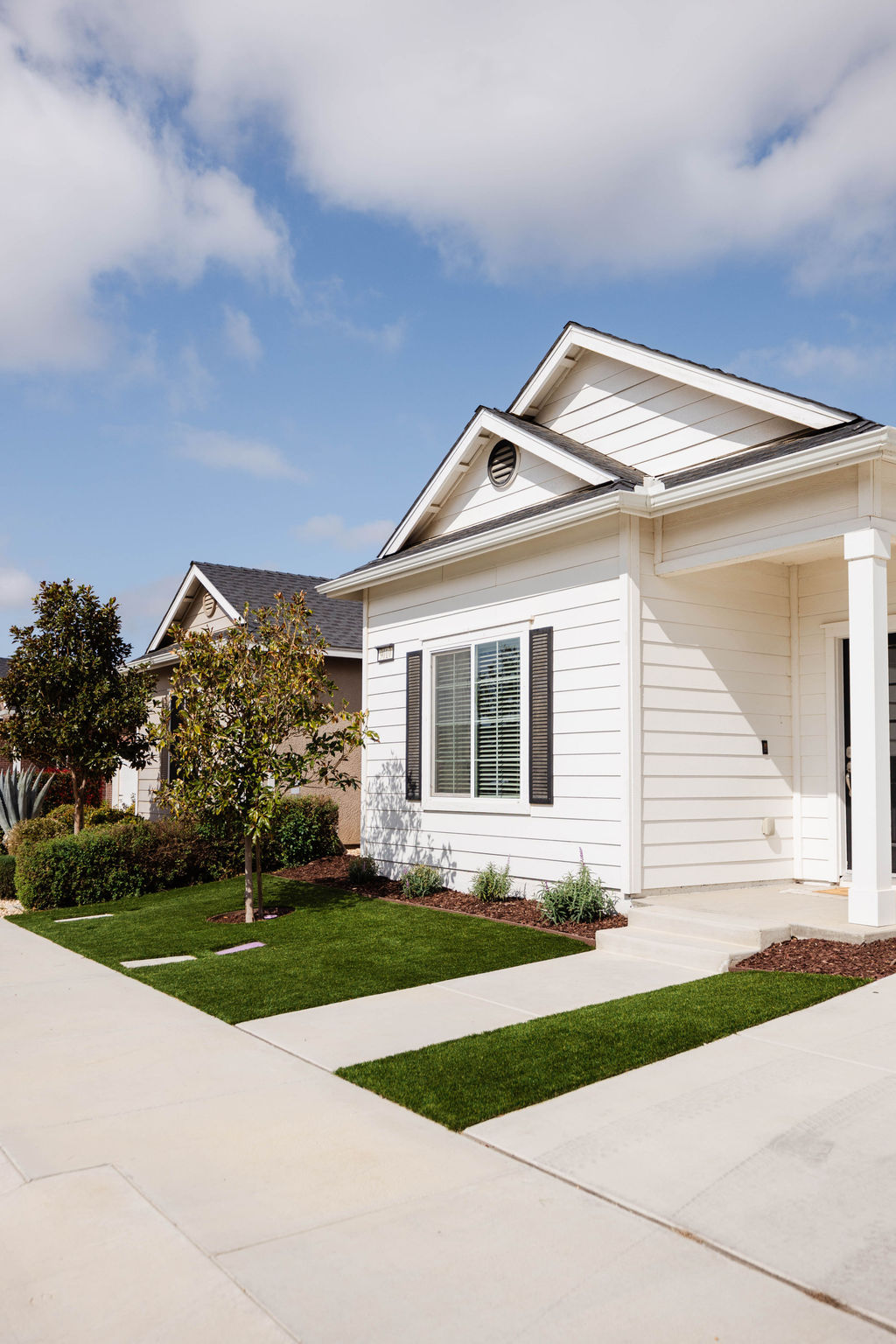
Following these simple synthetic grass maintenance suggestions will significantly extend the life and performance of your product:
- Clean surface regularly (debris and contaminant removal)
- No vehicle traffic, no heavy static loads, etc.
- Make sure that minor repairs to your surface were made promptly
Cleaning Products:
Enzyme Cleaners – SCOE 10X. Odormute, Odoban, PET Stain-Off! and others. Follow manufacturer’s instructions for application. You can purchase these cleaners from many online sources.
Vinegar – Use 5% white distilled vinegar and irrigate it through the surface.
Green Cleaners – Shaw R2X, Turf Renu, or any type of cleaner that does not contain alcohol, is biodegradable, non-foaming, and products causing low suds are best.
Degreasers or Mineral Spirits – Use these degreasers and mineral spirits for paint or petroleum-based stains; however, you must completely rinse these cleaners out of the turf.
Dishwashing Liquid/Household Detergent – Dilute dishwashing liquid or detergent with water (one teaspoon/gallon) for spot cleaning.
Bleach – Used to kill moss and algae prior to cleaning. Dilute bleach (one part bleach to 10 parts water solution); however, you must completely rinse these cleaners out of the turf.
Ammonia – A three percent (3%) solution of ammonia in water may be used in lieu of household detergent for more stubborn residues or stains.
Stains
Synthetic turf fibers are among the most stain-resistant fibers. Therefore, most stains on Shaw Grass are not true stains, but residues of foreign matter which must be promptly and thoroughly removed.
Most “stains” commonly associated with synthetic turf can be classified as “water-borne” stains. Most stains on synthetic turf can be removed with water or soap and water. The first rule is promptness. It is much easier to clean up a fresh spill before it has time to harden.
- Remove any solid or paste-like deposit promptly using a dull knife or spatula-like tool
- Brush the residue with a stiff brush (not a wire brush)
- Scrub the area with soap and water
- Rinse the area thoroughly with clear water to remove all traces of soap
Maintenance Care
- Regular care is required, but is dependent on the volume and type of use.
- Use a leaf blower to remove fallen leaves and pine straw from trees regularly. These can trap moisture and not allow the turf to dry out. Blow in a side-to-side motion across the surface to avoid disturbing the infill.
- In areas prone to moss/algae growth, we recommend a periodic application of bleach solution. Dilute bleach (one part bleach to 10 parts water solution).
- In areas prone to infill erosion or heavy traffic areas, additional grooming and infill may be required (professional grooming is recommended).
- Heavily soiled areas may require professional power washing.
Pet Care
- Scoop and dispose of waste materials promptly. Irrigate the area locally but do not hose solid waste away. This just spreads the waste over a larger area.
- In dry weather, it is okay to leave solid waste to harden before removing. During wet weather, remove all waste immediately to prevent the solids from breaking down.
- You must assume animals are urinating and treat the entire surface when sanitizing and deodorizing. Most sanitizing products require one gallon per 500 square feet of turf to achieve proper saturation. Use the sprinkler setting on most hose nozzles to drizzle water over the site to drive the treatments down through the turf.
- The volume of waste and use of the area determines how often the area should be groomed. A single dog may only require weekly sanitation while many dogs may require daily sanitation.
- Hose down any liquid contaminants with clean water. The backing is porous, therefore water and pet urine will absorb into the ground.
- During winter and rainy seasons, irrigating is not necessary. During summer months, irrigate your area weekly with full strength cleaners to wash treatments deeply into the turf.
- Substrates, such as concrete or wood, should be cleaned as needed. Avoid cleaners with alcohol or harsh acids as these can damage the turf blades. (Glue down installations should be cleaned and rinsed periodically).
Caution: Common Hazards
- Use proper PPE (Personal Protective Equipment)
- Heat and open flame exposure will require replacement of affected area.